
North Carolina Collection
Digitization of Nitrate Film Project
When someone describes collections of photographs, “hazardous” is not typically the first adjective out of their mouths. What many may not know is that archives around the world contain large quantities of nitrate negatives that, under the worst of circumstances, are exactly that.
A photographic negative is made up of a top or “emulsion” layer coated on a piece of film. From the late 1890s through the mid-1950s, most of the negatives used for both still and motion pictures were on what is now known as “nitrate film.” Extremely durable, nitrate film is also extremely flammable; devastating fires have wiped out significant collections, including a 1937 fire at a 20th Century-Fox studios storage facility that caused one death and destroyed tens of thousands of film reels from Hollywood’s silent era. Nitrate film off-gasses hazardous fumes, making it inadvisable for people to handle it for long periods of time without proper precautions.
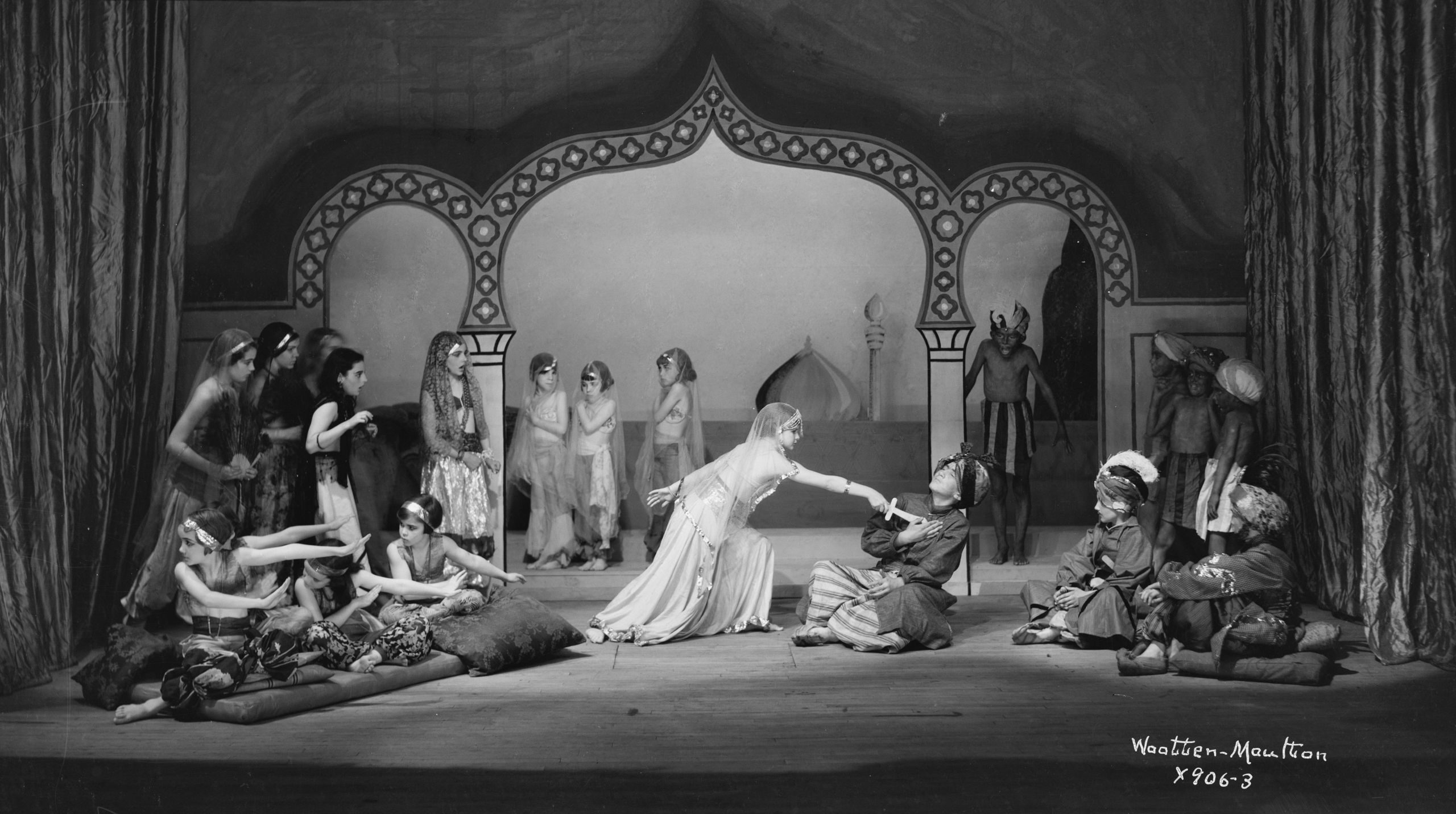
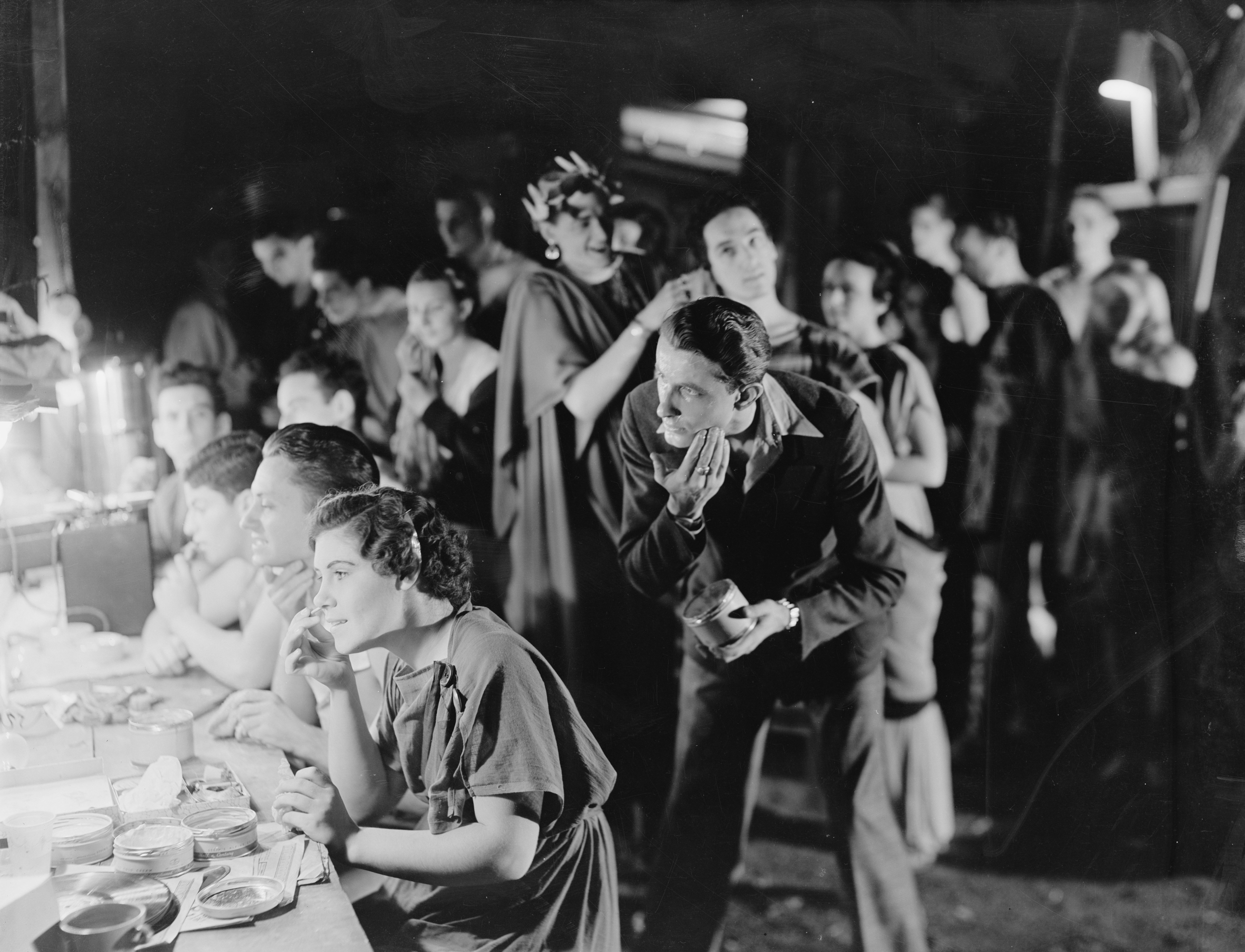
Today, we know much more about how to reduce or eliminate the risks of nitrate film. Thanks to funding from the North Caroliniana Society, nitrate negatives held by Wilson Library’s North Carolina Collection are being digitized in large quantities and made available online. These pieces of film come from a variety of sources. Included are images shot by Bayard Wootten (renowned female photographer who shot throughout North Carolina in the early 20th century), family photos from the Mangum and Josephine Weeks collection (Mangum Weeks was a well-known ornithologist and researcher), and early photos from the University of North Carolina at Chapel Hill Department of Dramatic Art. Examples from the latter collection are shown here. Many of these images are being viewed for the first time since they were developed many years ago. They will soon be available for (safe!) viewing through Wilson Library’s finding aids.
~ Lisa Gregory, Curator, North Carolina Collection, Wilson Special Collections Library
Office of K-12 Education
North Carolina Department of Natural and Cultural Resources
Housed within Department of Natural and Cultural Resources, the Office of K–12 Education expands learning opportunities for students and educators across all 100 counties. Through statewide professional development, place-based learning, field trips, classroom resources, digital content, and rural access initiatives, the office helps teachers and students connect deeply with North Carolina’s history, culture, and natural environments. It also manages National History Day in North Carolina, providing transformative academic experiences for students statewide.